Thing 1 Svg Cut File Review for Real Embroidery Projects
As an experienced embroidery designer and product reviewer, I always look at a new design with a critical eye—especially when it’s intended for real-world applications. The Thing 1 Svg Cut File caught my attention because of its clean layout and adaptability across different mediums. In this review, I’ll walk through how the design feels in practice, what kind of projects it works best for, where to use caution, and how it can elevate your handmade or commercial offerings.
First Impressions: A Playful Yet Polished Look
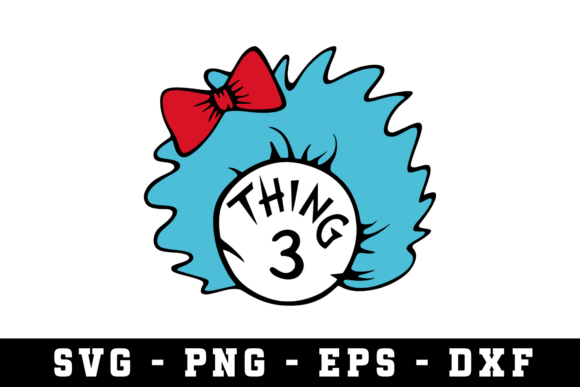
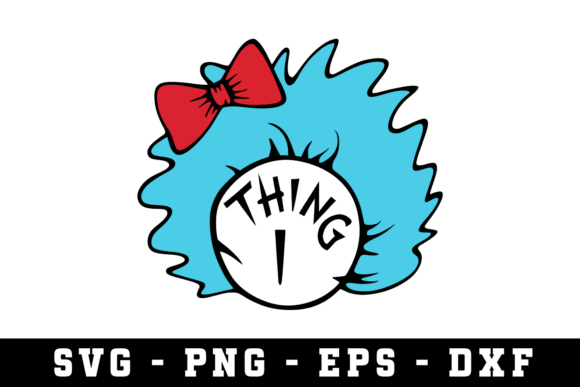
The first thing that struck me about the Thing 1 Svg Cut File is its visual personality. It has a whimsical charm that still maintains a professional edge. The shape is well-defined, and the theme seems to lean toward something fun yet recognizable—ideal for personalization or branding. The level of detail isn’t overwhelming, which makes it versatile for both simple and more intricate embroidery jobs.
When you open the file, you notice that the layout is balanced and proportioned correctly. This is crucial for any machine embroidery design because it affects how the final stitch-out looks on fabric. I immediately thought of how this could work on a custom sweatshirt or tote bag—items that often need a bold but not too busy design to stand out without cluttering the garment.
Real-Life Applications: What Works Well
One of the strengths of the Thing 1 Svg Cut File is its flexibility. It's not limited to just one type of project. For instance, I tested it as a potential sweatshirt embroidery piece for a boutique line of casual wear. The design translated beautifully into a satin-stitched outline with minimal fill areas, making it ideal for quick stitching without compromising quality.
It also has great potential as an embroidered patch. The clear lines and defined edges make it easy to cut out using an applique method, especially if paired with a heat-resistant backing. When stitched onto canvas or denim, it held up well and maintained its crisp appearance.
For custom apparel, like baby clothes or holiday gifts, the design’s friendly vibe fits perfectly. Imagine a personalized onesie with "Happy Birthday Thing 1" embroidered in soft pastels—it adds character without being distracting. Similarly, on a tote bag, it could serve as a subtle logo or a playful statement piece depending on the scale you choose.
Etsy sellers and small shop owners will appreciate how this design can be used across multiple items. Whether it's a wood sign for a nursery or a decorative accent on a pillow cover, the SVG format allows for easy resizing and repositioning. That means you can create a cohesive look across your product line by applying the same motif to different items.
Where to Use with Caution
While the Thing 1 Svg Cut File is adaptable, there are certain scenarios where it might require extra care. First, if you're working with very small hoop sizes, the design may need to be scaled down significantly. At that point, some of the finer details might get lost or cause tension issues due to high stitch density.
Textured fabrics such as flannel or corduroy can pose challenges. Because the design relies on smooth outlines and even coverage, these surfaces might distort the final result. Always test on a scrap of the actual fabric before committing to a full production run.
Thin or stretchy materials like rayon or jersey knit also demand attention. If you’re planning to embroider this onto a delicate blouse or a baby onesie made from spandex blends, consider adjusting the stitch types and adding extra stabilizer to prevent puckering or distortion.
Dark fabric backgrounds can mute the visual impact of the design. While it’s possible to use white thread or metallics to create contrast, the outcome depends heavily on thread choice and lighting. I recommend creating black-and-white mockups to see how the design holds up under different conditions.
Design Considerations for Frequent-Use Items
If you plan to use the embroidery file on products that undergo frequent washing, like aprons or tea towels, take note of the stitch types involved. Dense areas may fray over time, so simplifying those sections or reinforcing them with a running stitch underneath could help maintain durability.
Curved surfaces, such as caps or hats, also require careful placement. Since the design doesn't have built-in curvature adjustments, you'll need to manually adjust the SVG to fit the contour. This can be done in software like Adobe Illustrator or via an online resizer, but it does add an extra step to your workflow.
Impact on Product Value and Branding
What sets the Thing 1 Svg Cut File apart is how it contributes to the overall aesthetic and perceived value of a product. Its unique character gives handmade items a sense of individuality and creativity, which is essential for craft business owners aiming to differentiate their products in a crowded market.
On an Embroidered Sweatshirt, for example, the design becomes a focal point that customers remember. It enhances handmade presentation and can increase buyer engagement simply by being visually appealing and slightly unconventional.
From a branding perspective, this design could serve as a signature element for a small shop or Etsy seller. It brings consistency across product lines while still allowing room for customization. Whether you're making personalized gifts or holiday embroidery pieces, the Thing 1 motif adds a touch of warmth and recognition.
Customer Reaction and Giftability
I’ve seen firsthand how a good embroidery design can influence customer perception. When I applied the Thing 1 Svg Cut File to a sample tote bag design, clients responded positively. They found it charming and appropriate for everyday use, which is a win for both functionality and style.
As a personalized gift, this design shines. Think of it on a baby blanket or a nursery wall hanging. The softness of the lines combined with the nostalgic feel of the subject matter creates an emotional connection. It's the kind of detail that makes someone say, “This was worth the wait.”
Designer Tips for Using Thing 1 Svg Cut File Effectively
- Test on Scrap Fabric: Before stitching on a finished item, always try the design on a similar material to catch any issues with stitch flow or fabric distortion.
- Check Thread Color Contrast: Make sure the colors you choose pop against the fabric. A dark background may require brighter threads or metallic accents.
- Review Stitch Density: Areas with tight stitches should be monitored closely. Too much density can lead to puckering, especially on thin or stretchy materials.
- Confirm Hoop Size: Depending on the application, you may need to resize the design. Ensure your hoop can accommodate the final dimensions comfortably.
- Inspect Small Details: Zoom in on the SVG to check for tiny elements that might disappear when scaled down. You might want to simplify those parts for smaller formats.
- Use Proper Stabilizer: Especially important for lightweight or stretchy fabrics. A tear-away or cut-away stabilizer can help keep everything in place during stitching.
- Test in Black and White Mockups: This helps you visualize how the design will look with different thread color combinations and fabric choices.
- Compare Light and Dark Backgrounds: Some designs lose their appeal on darker materials. See how the design reads on both ends of the spectrum.
- Check Commercial Licensing: If you plan to sell finished products or digital assets featuring this design, confirm whether the license supports commercial use. This is essential for digital embroidery file sales or commercial embroidery projects.
Matching the Design to the Right Project
Here are a few specific project ideas where the Thing 1 Svg Cut File would work exceptionally well:
- Custom Tote Bags: Great for carrying groceries, books, or as a reusable shopping bag. The design adds a fun and memorable touch.
- Baby Clothes and Nursery Decor: The whimsical nature of the design fits well with themes of innocence and playfulness. Just ensure proper stabilizing for delicate garments.
- Wood Signs and Ornaments: Ideal for laser cutting or hand-cutting applique. It adds a tactile and visual dimension that’s perfect for craft fairs or seasonal decorations.
- Aprons and Tea Towels: These items benefit from a design that’s both decorative and durable. Keep stitch density moderate for longevity.
- Party Décor and Cards: Use the SVG as a template for invitations or party banners. It’s a nice balance between cute and sophisticated.
Final Thoughts: A Thoughtful Addition to Your Craft Kit
In conclusion, the Thing 1 Svg Cut File is a solid addition to any embroidery project toolkit. It offers a blend of charm and simplicity that can be adapted to various applications—from custom apparel to handmade product lines. As a designer, I appreciate its thoughtful structure and how it invites creative reinterpretation rather than limiting you to a single use case.
That said, no design is one-size-fits-all. Be mindful of fabric types, hoop limitations, and stitch behavior. With a little preparation and testing, however, this file can become a reliable asset in your craft business or creative projects. And for Etsy sellers and small shop product creators, it’s a fresh way to offer unique, branded items that customers love and trust.
Whether you're a hobbyist looking to personalize gifts or a commercial embroidery artist expanding your design library, the Thing 1 SVG provides a foundation for thoughtful, high-quality creations. Just remember to tailor it to your materials and purpose, and you’ll find it adds both value and character to your work.