Chicken Farming SVG: A Versatile Graphic Design Asset for Crafts and Branding
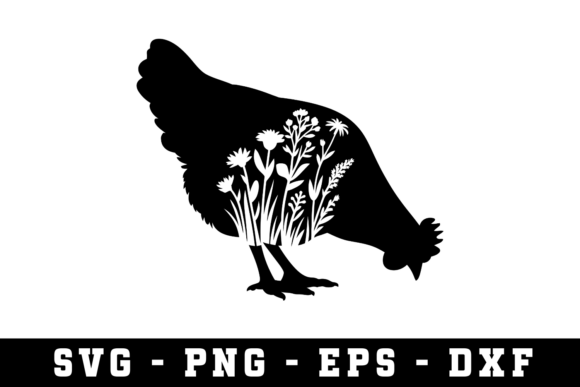
As a professional graphic designer, I often find myself evaluating new design assets with a critical eye. When I first came across Chicken Farming SVG Cut Files, I was immediately drawn to their charm and thematic clarity. The visual elements of the design are rooted in rural aesthetics—think barns, chickens, hay bales, and sunflowers—all rendered with clean vector lines and a warm color palette. This kind of imagery naturally evokes a sense of simplicity, authenticity, and nostalgia, making it ideal for projects that lean into cozy, earthy, or farmhouse-style branding.
Aesthetic Style and Emotional Appeal
The Chicken Farming SVG design is clearly inspired by traditional illustration techniques but translated into modern digital formats. It has a hand-drawn quality without being too rough or inconsistent, which is a great balance for designers who want to maintain a rustic feel while ensuring scalability and professionalism. The asset’s style is best described as whimsical yet grounded, fitting well within the broader categories of crafts and graphics aimed at small businesses or lifestyle brands.
This kind of asset could easily support the visual direction of a handmade product line, a seasonal campaign around Easter or harvest themes, or even local farm event promotions. Its presence adds an emotional layer—warmth, community, and a connection to nature—that can help a brand stand out in today's digital marketplace.
Performance in Real Design Situations
I tested this SVG cut file in several practical design scenarios. First, I used it in a Cricut project to create custom wooden signage for a client launching a country-themed café. The detail level was impressive; the chicken illustrations retained their clarity even when scaled up for large signs. The same asset also worked well in product mockups for mugs and tote bags, where its soft outlines and muted tones complemented the materials without overwhelming them.
When incorporated into brand identity work, the Chicken Farming SVG helped reinforce a client’s message of sustainability and homegrown values. However, I noted that using it in a corporate logo or on minimalist packaging would not align with the intended tone. It’s more suited for boutique-style labels, packaging details, or supporting brand elements rather than primary logos.
Where It Shines
- Large layout areas: The SVG works beautifully in expansive designs like posters or wall art where the illustrative elements can breathe and add character.
- Hero graphics: As a central visual element in a flyer or social media post, it commands attention and sets the mood effectively.
- Themed collections: Perfect for cohesive product lines around a specific theme such as Easter, autumn markets, or backyard farming.
- Printable designs: Whether for cards, stickers, or invitations, the file maintains crisp edges and clear shapes, essential for print-on-demand workflows.
- Editorial design: In blog visuals or magazine layouts focusing on agriculture, DIY, or rural living, it enhances the storytelling aspect.
- Supporting brand elements: It pairs well with other components like taglines, product photography, and background textures to build a consistent look.
Where Caution Is Needed
- Small sizes: While the SVG is detailed, some finer strokes may get lost if used in tiny dimensions like buttons or micro-icons.
- Crowded layouts: Too many overlapping elements from the Chicken Farming SVG set can reduce readability and visual clarity.
- Complex backgrounds: Placing these illustrations over busy patterns or gradients might obscure their charm and make them less effective.
- Minimalist branding: If your client’s brand leans towards sleek, modern, or corporate aesthetics, this SVG might feel out of place unless used sparingly as a decorative accent.
Readability and Visual Hierarchy
One thing I always check when assessing a design asset is how it interacts with text and hierarchy. The Chicken Farming SVG doesn’t interfere with legibility when paired with readable typefaces like sans serif or display fonts. But when combined with script or handwritten styles, it enhances the overall warmth and personality of the piece—perfect for an Etsy shop or a handmade business product line.
However, I noticed that the SVG doesn’t inherently establish a strong visual hierarchy. That means you’ll need to be intentional about how you layer it with other design elements. For example, placing a chicken illustration behind a headline requires careful contrast management to ensure the text remains prominent.
Commercial Use and Licensing
Before using any SVG design in a client project, it’s crucial to confirm the commercial licensing terms. In this case, the Chicken Farming SVG Cut Files come with a license suitable for most small business needs, including print-on-demand products and branded merchandise. Just make sure to review the specific permissions included with the design bundle, especially if you plan to use it in high-volume production or resell it in creative marketplaces.
Practical Designer Notes
Here are some quick checks I recommend before finalizing this asset for a real project:
- Test it in black and white: See how it holds up if your client prefers monochrome branding or needs grayscale versions for printing.
- Check contrast on light and dark backgrounds: The design performs better against neutral or light backdrops, maintaining its soft aesthetic without getting lost.
- Preview at small and large sizes: Ensure that the SVG retains its integrity at both ends of the scale. I found it held up well at large sizes but needed simplification for smaller uses.
- Place it on real mockups: Try it on actual product images (like mugs or t-shirts) to see how it looks in context. It added a nice touch to my test mockups for a themed gift collection.
- Test print quality: Especially important for printable designs. The SVG printed cleanly at 300 dpi, preserving the delicate lines and colors.
- Review file formats: Alongside the SVG, PNG files were included with transparent backgrounds, which is helpful for layered compositions or digital ads.
- Inspect vector editability: Being an SVG, the file is fully editable in vector software like Adobe Illustrator or Cricut Design Space, allowing customization for specific brand palettes or sizing needs.
- Compare with different font styles: I tried pairing it with serif, sans serif, script, and display fonts. The best results came with softer, organic typefaces that matched the asset’s vibe.
Why This SVG Might Be a Useful Creative Asset
In the right context, the Chicken Farming SVG is a powerful tool. It offers a ready-made collection of illustrations that can elevate a handmade business or a seasonal marketing campaign. Its versatility allows it to function as a hero image, a subtle background accent, or part of a larger design bundle for themed content.
For someone working in the creative marketplace or managing an Etsy product line, this SVG provides an instant visual upgrade. It can be used to design unique clipart sets, sticker designs, or Canva templates tailored to niche audiences. Additionally, it fits well into sublimation design workflows due to its high-quality vector format and clean lines.
What stood out most during my evaluation is how it supports a cohesive visual language. Whether you’re designing for a farm-to-table restaurant, a family-owned nursery, or a DIY project guide, this asset helps tell a story. It adds texture, depth, and a personal touch that digital-only assets sometimes lack.
Final Thoughts for Designers and Marketers
While the Chicken Farming SVG Cut Files aren’t a one-size-fits-all solution, they offer a unique blend of charm and functionality. They perform exceptionally well in graphics and crafts contexts where a whimsical yet polished look is desired. As a designer, I appreciate how it bridges the gap between playful creativity and professional usability.
If you're working on a small business branding project, a seasonal campaign, or need engaging social media graphics, this asset deserves a spot in your toolkit. Just remember to tailor its placement and styling to match your client’s brand voice and the project’s visual goals.